Morale
The mechanic that used to end fights before the last hit point was gone — and what disappeared when it was dropped.
01When Creatures Stop Fighting
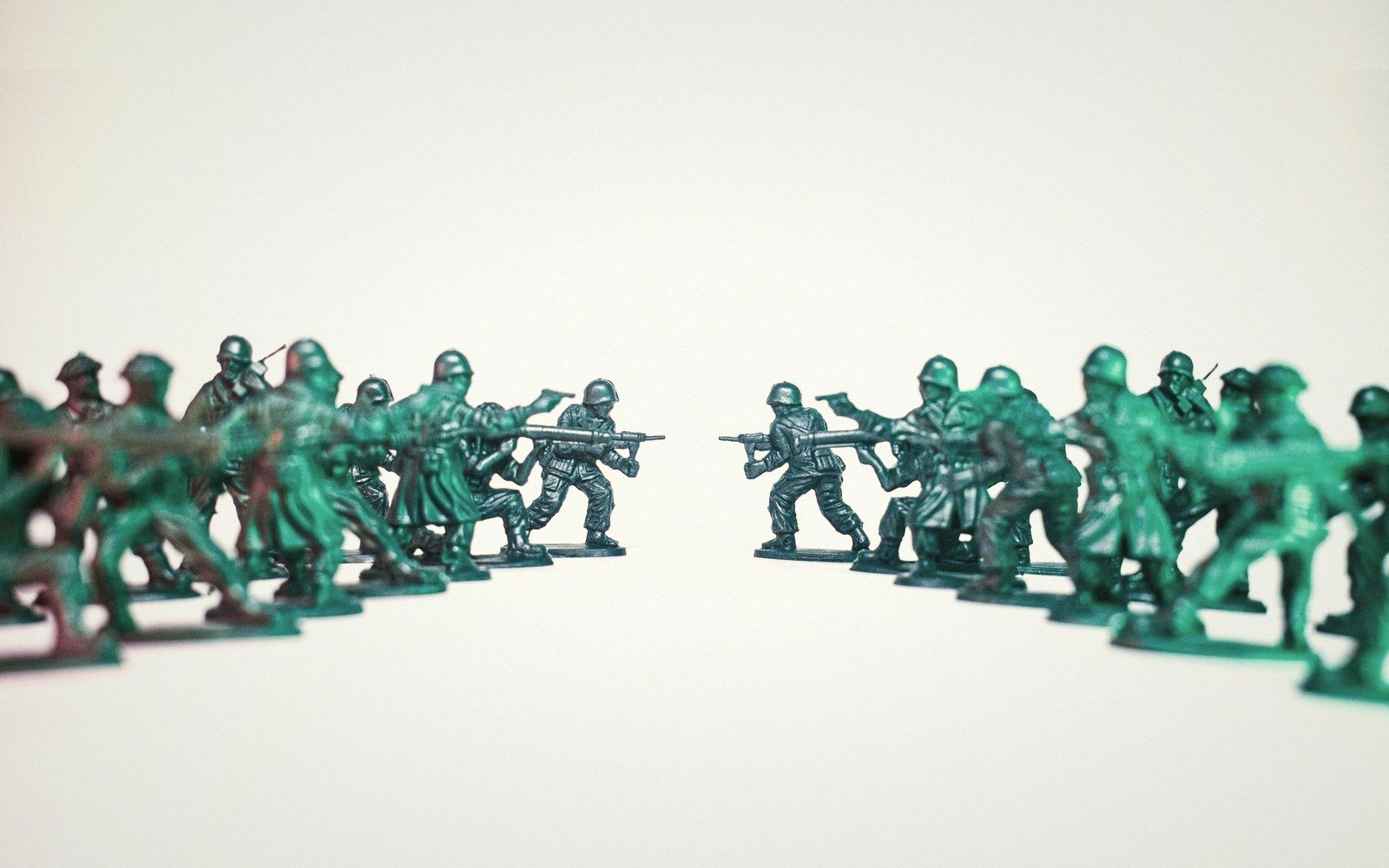
Most old systems inherited from wargames treat a fight not as a sequence of hit-point deductions but as a test of will. At some trigger — a certain fraction of the unit destroyed, a leader killed, an unexpected casualty early in the engagement — each side checks whether it still wants to continue. Fail that check and the combatants route, surrender, or back away. The fight ends not when one side is dead but when one side decides it is not worth dying.
The mechanism in plain terms
- 01Trigger — the moment that forces the check: first death, half strength, leader killed, or some combination
- 02Check — usually two dice against a target, modified by leadership or morale-affecting conditions
- 03Outcome — route, surrender, fall back, or (on a marginal fail) fight defensively
The mechanical shape is simple: a target number on two dice, sometimes modified by leadership, exhaustion, or the gap in apparent strength. What it does to encounter pacing is significant. It caps expected fight length. Even a large group of enemies will not grind through every hit point if the odds look hopeless; they have a rational exit, and the rule enforces it.
Dropping morale — which most games after the mid-1980s quietly did — removed that cap. Now every fight runs until one side reaches zero, which is almost always the party's enemies reaching zero, which is almost always determined by the party's action economy. The result is longer combats that carry less decision-making in their last third. Once it is clear who will win, the remaining rounds are arithmetic dressed as drama.
A patrol that might flee after two of five members fall is a different tactical object than one that fights to the last.
There is a subtler cost. When enemies can break, their behavior shifts. A patrol that might flee after two of five members fall is a different tactical object than one that fights to the last. Players start asking what will make enemies run, which means they are thinking about the fight as something other than a damage race. That question alone — how much pressure is enough? — opens up the encounter design space considerably.
What its removal costs
- 01Fights run to zero hit points every time: removes the tactical question of how much pressure is enough
- 02Enemies become damage-sponges rather than agents with a threshold of acceptable loss
- 03Last third of many combats becomes foregone arithmetic, not decision-making
A rough check at half casualties is the minimum viable version. More expressive designs trigger checks at the first death (shock), at leader loss, and again at three-quarters casualties, each with its own modifier. The numbers matter less than the principle: fights should have an exit other than annihilation, because real violence does, and because combat that can end early runs shorter on average and feels less like a chore.