Session shape
Three or four hours has its own architecture. Ignore it and the clock will design the session for you.
01The machine has a rhythm
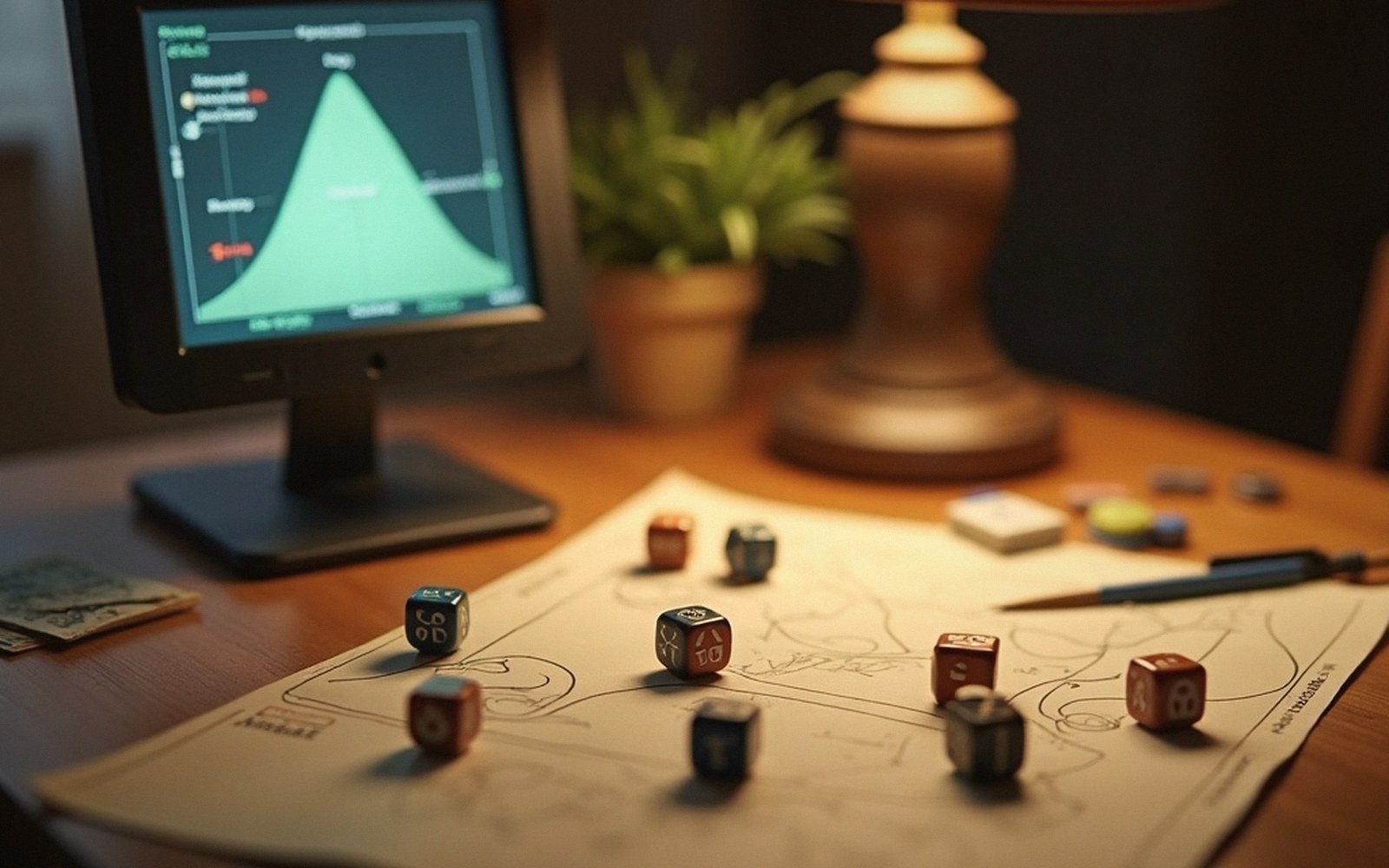
A typical session runs somewhere between three and four hours, and that span is not neutral. Human attention has a compression arc: slow to warm, quickest in the middle, then heavy and resistant near the end. Experienced referees learn to read this without naming it. Designers mostly ignore it, which is why so many rulebooks describe only encounter structure, never session structure.
Structural map of a session
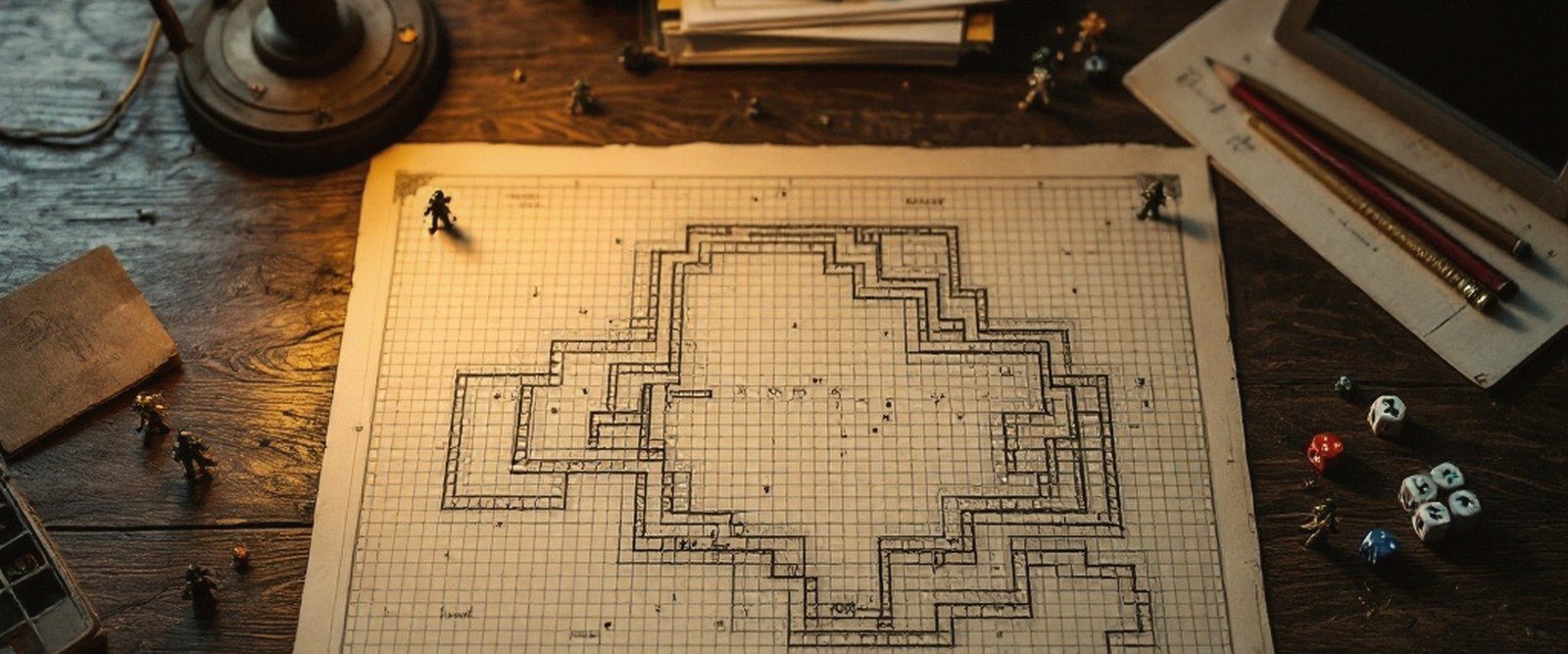
- 01Opening (0–30 min) — low-stakes warm-up; do not demand full engagement
- 02Prime window (30 min–2 hr 30 min) — peak attention; place the session's hardest or most consequential content here
- 03Final hour — resolution and compression only; no new major elements
- 04Last 20 minutes — decisive closing scene; end before exhaustion, not after
The opening twenty minutes are almost always slower than anyone expects. Players arrive carrying the last two weeks of their actual lives. Someone needs to recap what happened before. A character sheet has gone missing. The referees who fight this — demanding immediate focus, launching the action before the table is ready — tend to lose. The ones who work with it give that opening a low-stakes mechanical purpose: a safe scene that invites engagement without demanding it. A merchant contact, a tavern negotiation, an overheard conversation. The fiction warms up the room.
Once the table is running — roughly half an hour in — attention peaks and stays high for the next ninety minutes to two hours. This is the machine's prime real estate, and it is where the session's hardest problem, its most consequential decision, its most demanding encounter should live. Placing a climactic set piece in the final forty minutes of a four-hour session is one of the most common structural errors at any table. Players are tired, the referee is tired, someone has a train to catch, and the scene that was supposed to be memorable becomes a transaction everyone is slightly rushing through.
02The overrun is a signal
Every session has a thing that runs long. The trap almost always springs in one of two places: a negotiation that generates more player investment than the referee budgeted for, or a combat that does not end when the probability said it should. Both are real information. A scene that players refuse to leave quickly is a scene they care about, which means the outline was underselling it. A fight that drags past the point of interesting decision is usually a fight with too many hit points on the wrong side of the table — attrition versus spike dynamics playing out in real time.
New NPCs, new locations, new mechanics, new information that recontextualises everything prior — all of these require processing capacity the table no longer has.
The practical fix is not a tighter outline but a tighter cut list. Before a session, the referee identifies one scene that can be dropped entirely if time compresses — not a scene they do not care about, but a scene that functions as a bridge and whose content can be absorbed into adjacent scenes or simply narrated in two sentences. Having the cut ready means the climax is never sacrificed for the bridge.
What to prepare and what to cut
- 01One scene always earns its cut — identify it before the session, not during
- 02Bridge scenes (pure connective tissue) are the first to compress or narrate in two sentences
- 03Climactic scenes are never the cut candidate; protect them by scheduling them early enough
03Designing for the last hour
The final hour is where sessions go wrong most reliably. Attention has dropped, but the referee needs to close loops and leave the table with forward momentum — something to look forward to, something unresolved that invites return. This argues for a structural rule: never introduce a new major element in the last forty minutes. New NPCs, new locations, new mechanics, new information that recontextualises everything prior — all of these require processing capacity the table no longer has. Reveal them earlier, or hold them for next time.
What works in the last hour is resolution and compression. A short, decisive scene. The direct consequence of earlier choices arriving. A door that opens — one the players chose to approach, not one the referee placed in their path. The session should feel like it ends rather than stops, and that feeling is almost entirely a function of what the last twenty minutes contain, not what the preceding three hours did.
There is also a pacing trick worth naming plainly: end slightly before the table expects it. A session that closes five minutes before exhaustion sets in leaves players animated, wanting more. A session that closes five minutes after exhaustion has already won leaves them drained. The clock is a resource. The referee who treats it that way — budgeting time as carefully as hit points or spell slots — runs consistently better sessions than one who simply plays until the material runs out.